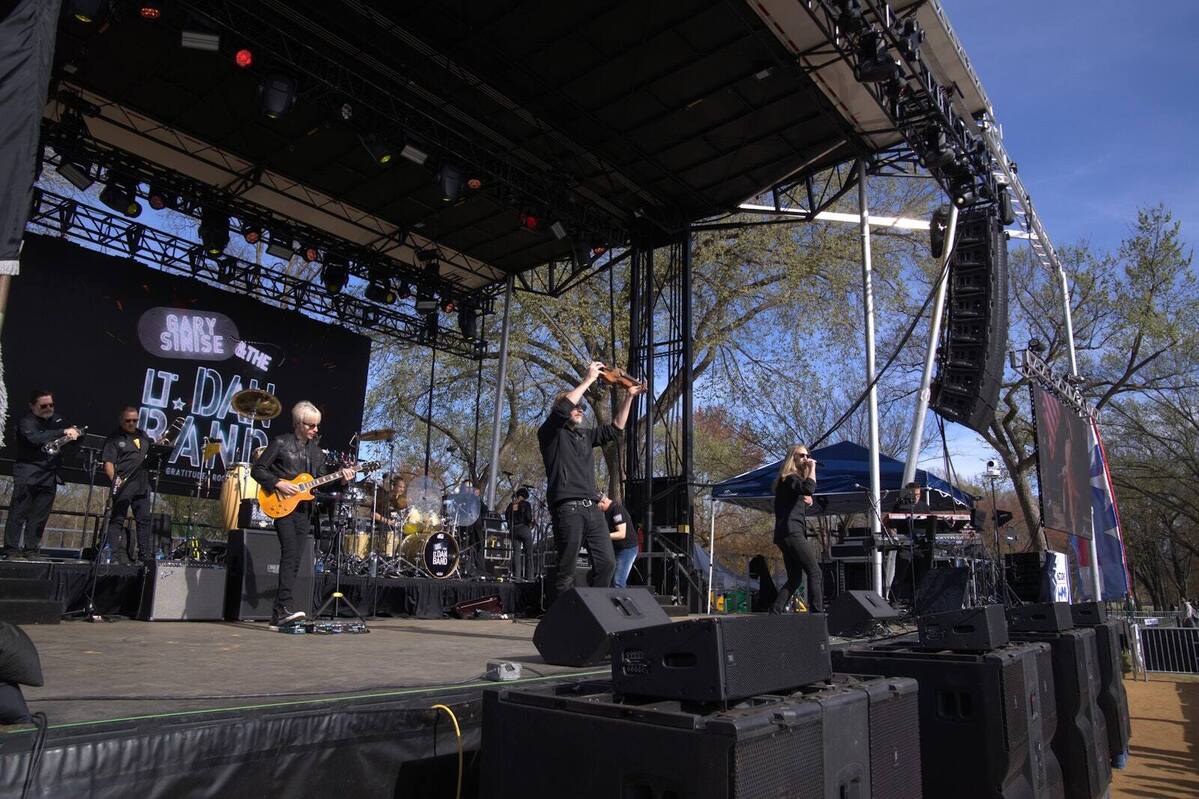
A concert promoter owns the bill, the date, the tickets, and the risk. The production partner owns what the show stands on and runs on: the stage, the roof, the PA, the lights, the screens, the power, the barricade, the crew, and the call. When that partnership works, the artist walks onto a stage that matches the rider, the crowd sees and hears the show from the back rail, and the night ends on time.
Here's what a concert promoter should expect a production partner to own, and the questions that separate a partner from a truck full of gear.
It Starts With the Rider
Every act sends a technical rider: the stage plot, the input list, the backline, the monitor needs, the lighting and video asks, and the hospitality. The production partner's first job is to read it the way the artist's production manager will on show day, looking for what the site can't deliver yet.
That means answering the questions before the artist's team asks them:
- Does the stage size and the roof clearance fit the plot?
- Does the PA cover the crowd the promoter is selling to?
- Is there wing space for backline, risers, and changeovers?
- Where does front of house sit, and does it have a clean line to the stage?
- What does the act need from video, and can the screens carry it?
When the answer is no, the time to say so is the advance, with an option on the drawing. Not at load-in.
The Advance Is Where the Show Gets Won
The advance turns the rider and the site into one plan everyone can use. It sets call times, load-in order, changeover times, sound check slots, and who can approve a change. On a multi-act bill, it also sets the order backline moves on and off the deck, so the changeover isn't a scramble in front of a waiting crowd.
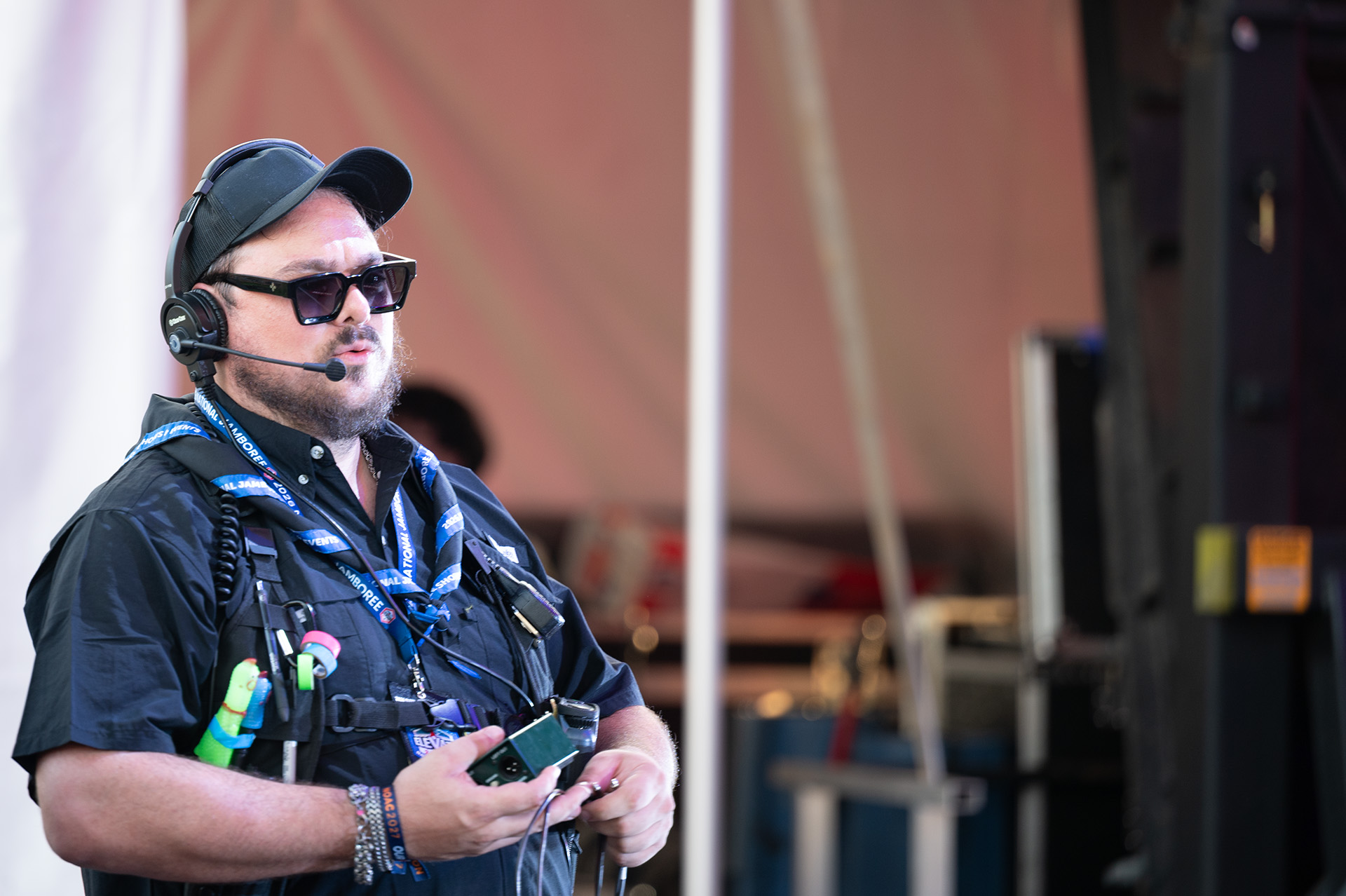
PM1 has advanced artists as part of the executive production at the 2026 Scouting America National Jamboree, where one infrastructure build carried musical productions, live entertainment, and speaker programs for 15,000 participants. The same discipline applies to a single headliner on a field.
What a Production Partner Should Own
- Stage and roof, sized to the plot and rated for the wind, with a clear plan for when wind or lightning calls a hold.
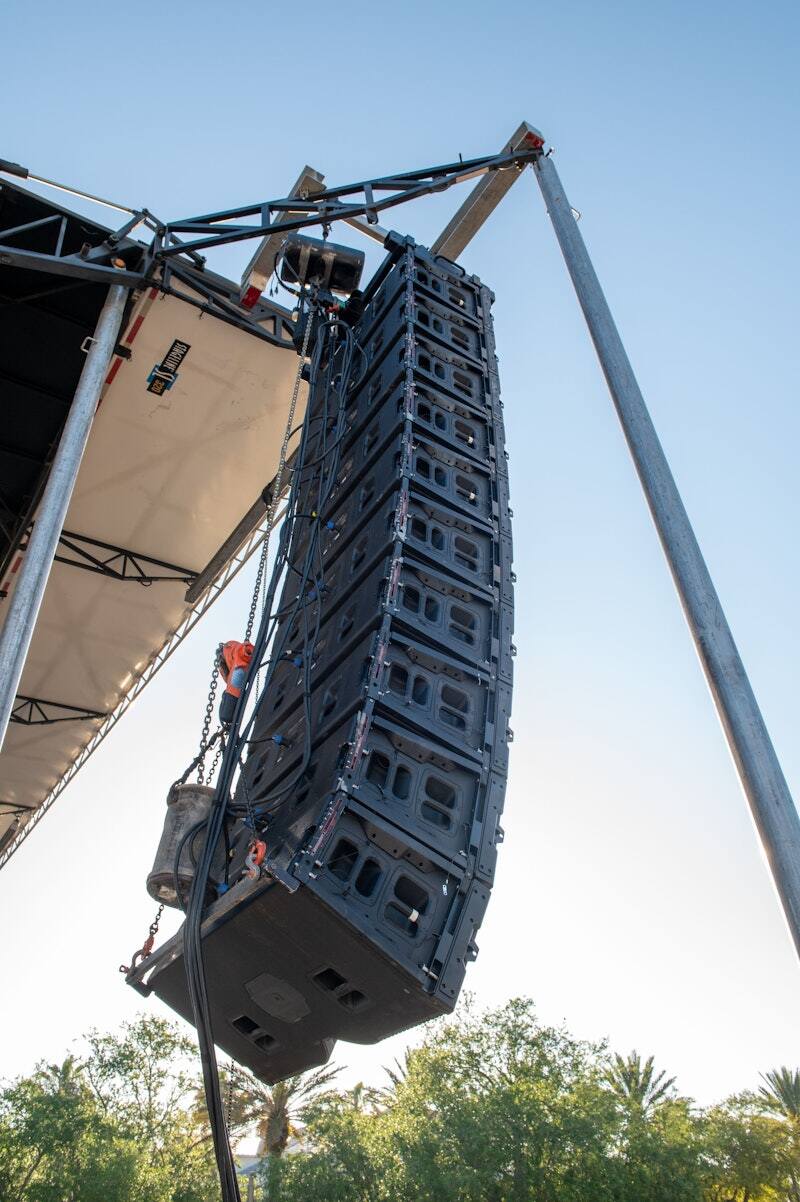
- Audio: a PA designed to cover the crowd to the back rail, monitors to the rider, and a redundant path for the main mix.
- Lighting, designed for the show and for the camera, with the crowd lit for the shot when there's a feed.
- Video: LED walls and IMAG, so the back of the field sees the show the front row sees.
- Power: generators or a service tie-in, with a second source on standby for the systems the show can't lose.
- Barricade and the pit, with security and medical access drawn in.
- Front of house, placed for the mix and the sightline.
- Comms and the show call: one voice on comms running the night from one show file.
Some promoters bring PM1 in for staging and structures under another company's production. Others hand over the full build. Either way, someone has to hold the whole physical plan, and the promoter should know who that is.
Capacity Is a Production Decision
The number of tickets a show can sell depends on more than the size of the field. It depends on how far the PA throws, how big the screens are, where the delay towers go, how the crowd gets in and out, and how many seats can be built with a real view of the stage.
That's why capacity belongs on the drawing early. Move the stage and the crowd line moves. Add a grandstand and the egress plan changes. A production partner who draws the site first can tell a promoter what the site can actually hold before the on-sale, not after.
Touring Is a Different Muscle
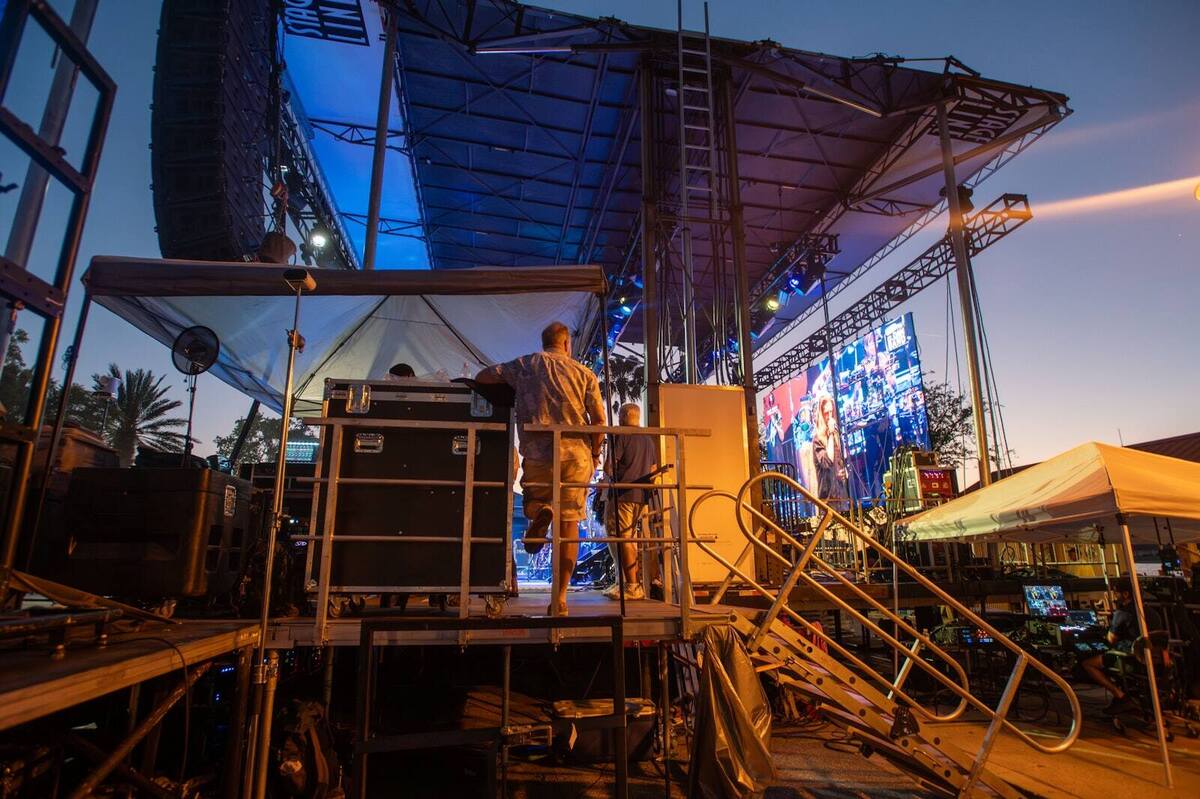
A one-off show gets one site walk. A tour gets a new site every stop, and the show still has to look and sound the same. That takes a plan that travels: the same stage spec, the same input list, the same run of show, and a production manager who knows the show from the inside.
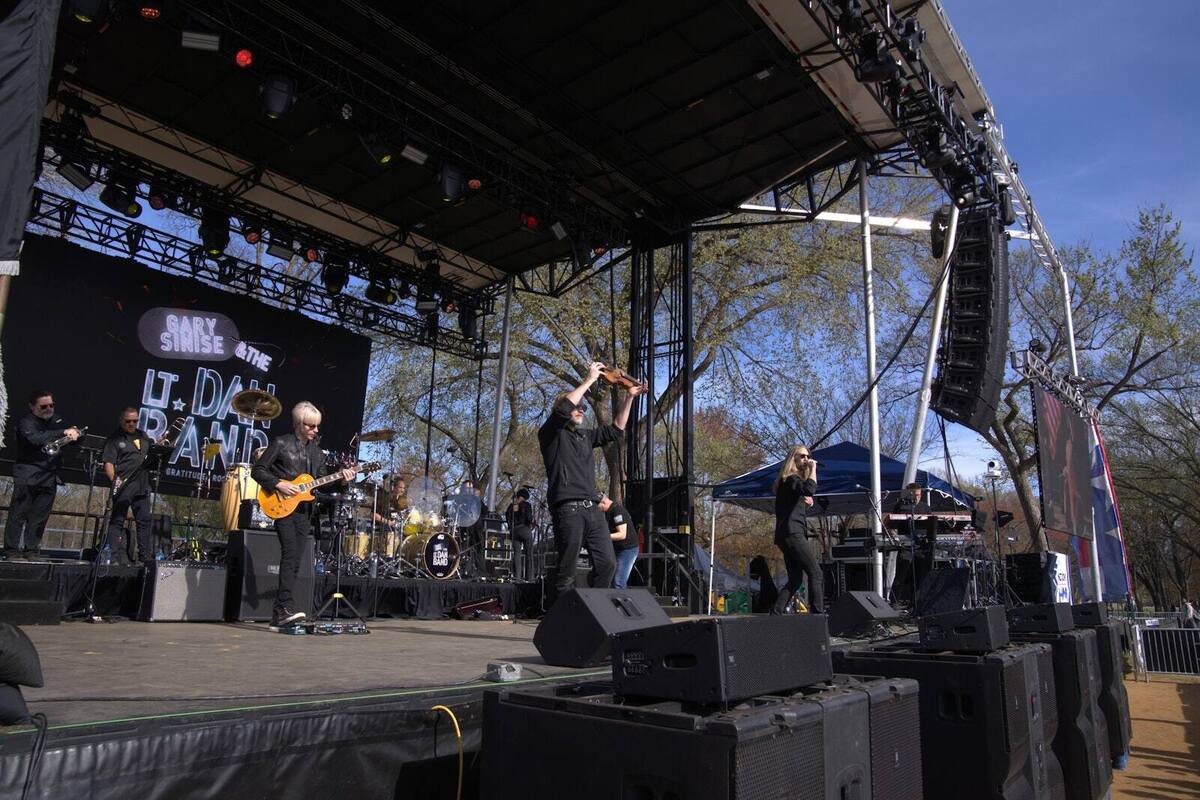
For the Gary Sinise Foundation and the Lt. Dan Band, PM1 provides stage, lights, sound, and infrastructure for touring concert production, from Honolulu onward. PM1 production manager James Stuckmann is also a member of the band, so the person running production knows exactly what the show needs from the stage.
When local crews or local gear are part of the tour, PM1 runs them under one plan, so every stop meets the same standard whether the gear is ours or local.
Built for the Feed
More concerts are filmed, streamed, or broadcast than ever, and the feed often reaches more people than the field does. Camera positions belong in the first layout. Lighting gets balanced for the lens as daylight fades. The screens and the stage set are drawn to fill the frame. Designing for the broadcast is as important as designing for the crowd.
Redundancy Keeps the Night Going
A dead PA in the middle of a headliner set is the kind of thing a crowd remembers. So the backups get planned in: a second power source for critical systems, a redundant path for the main mix, backup playback for video, spare mics and cable on the truck, and a crew that knows the plan when something fails.
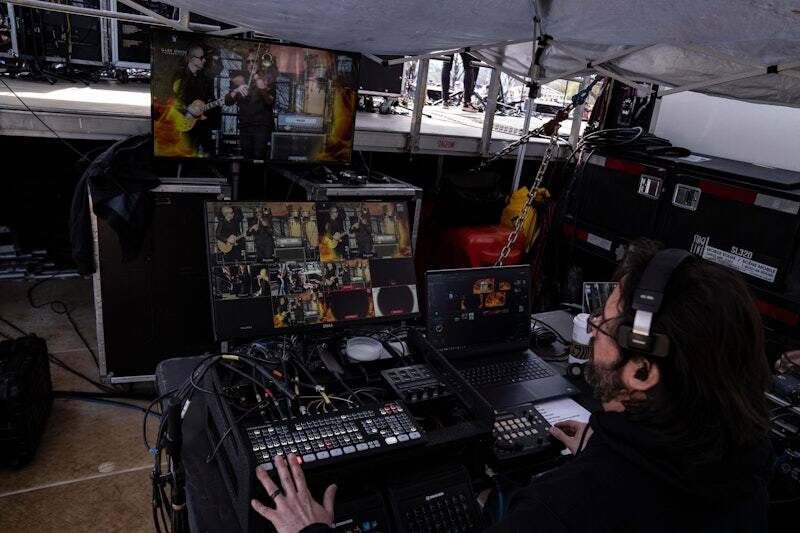
On a Real Show: Unite for Veterans
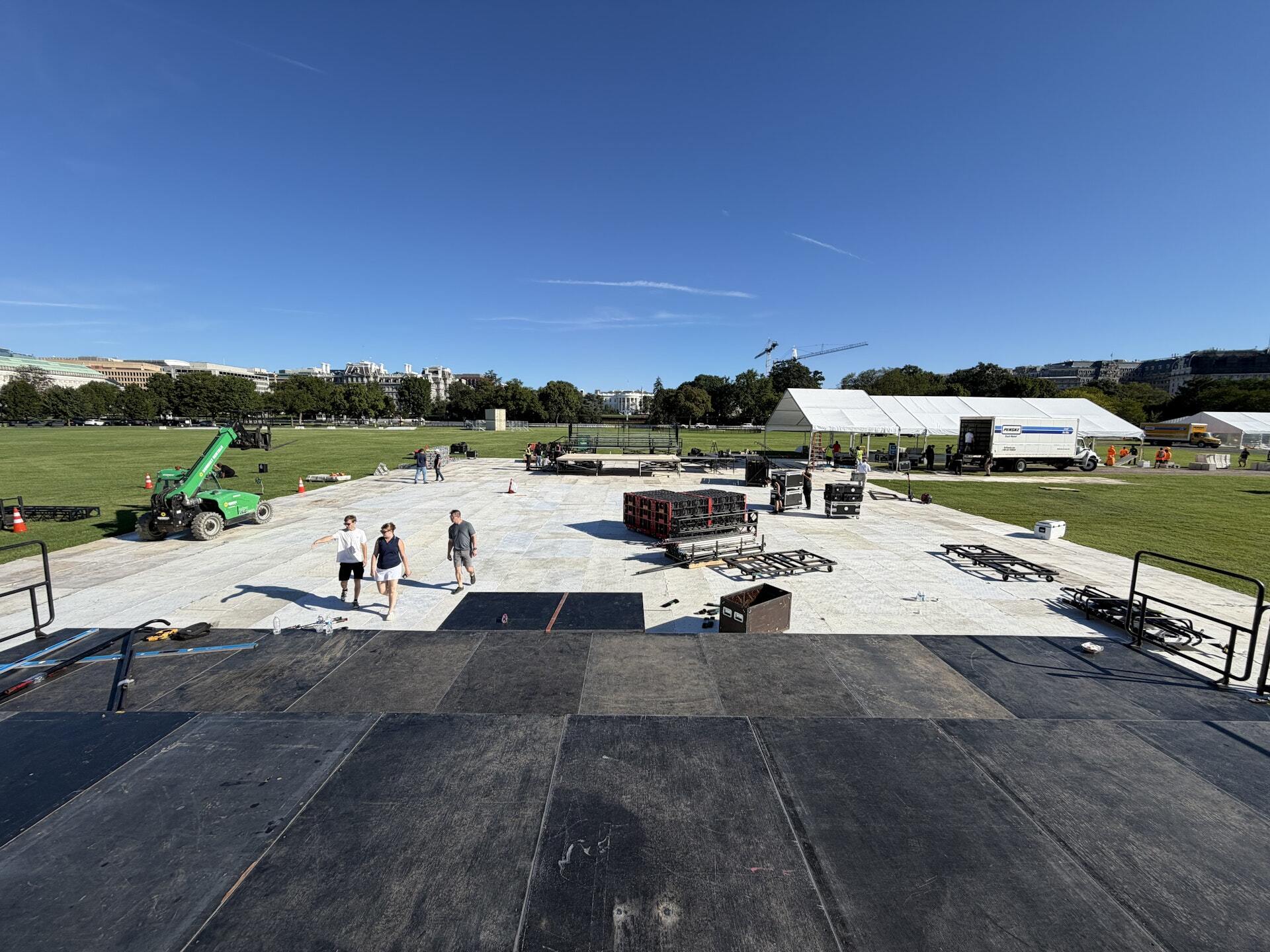
Unite for Veterans brought the Dropkick Murphys to the National Mall with the U.S. Capitol behind the stage. PM1 built the mobile stage, audio, lighting, two LED screens, and the press risers, and built, ran, and struck the whole show inside the 72-hour window the National Park Service allows.