One show file means every department on a live event runs from the same document and the same call. Audio, lighting, video, playback, teleprompter, stage management, pyro, and the broadcast all take their cues from one run of show, called by one voice on comms. When the schedule moves, it moves once, for everyone.
It sounds simple. On most events, it isn't what happens. Here's why it matters, and what it takes to run a show that way.
What Happens Without One
On a lot of events, each department keeps its own version of the show. Audio has a cue list. Lighting has a different one. Video has a playback order from last week's draft. The stage manager has the version the producer printed this morning. Each one is right about something, and none of them agree.
Then the program changes. A speaker runs long, a segment gets cut, a performer moves up. Three departments hear about it. Two don't. The lights go to a look meant for the next act, the wrong video rolls, and the crowd notices before anyone on comms does.
Nobody made a bad decision. They were just working from different files.
What a Show File Holds
A show file is the single source of truth for the event as it runs. Depending on the show, it holds:
- The run of show: every segment, its length, and its order, with the time it's meant to start.
- Cues by department: audio, lighting, video, playback, teleprompter, special effects, and stage moves, numbered in one sequence.
- Stand-bys and go's, so every operator knows what's coming before it's called.
- Talent and speaker details: walk-on music, mic assignments, prompter scripts, and marks.
- Broadcast and stream hits, when the show is cued to air.
- Contingencies: what happens if a segment runs long, a speaker is late, or weather calls a hold.
The file is built in the advance and locked as close to doors as the show allows. Changes after that go through one person.
One Voice on Comms
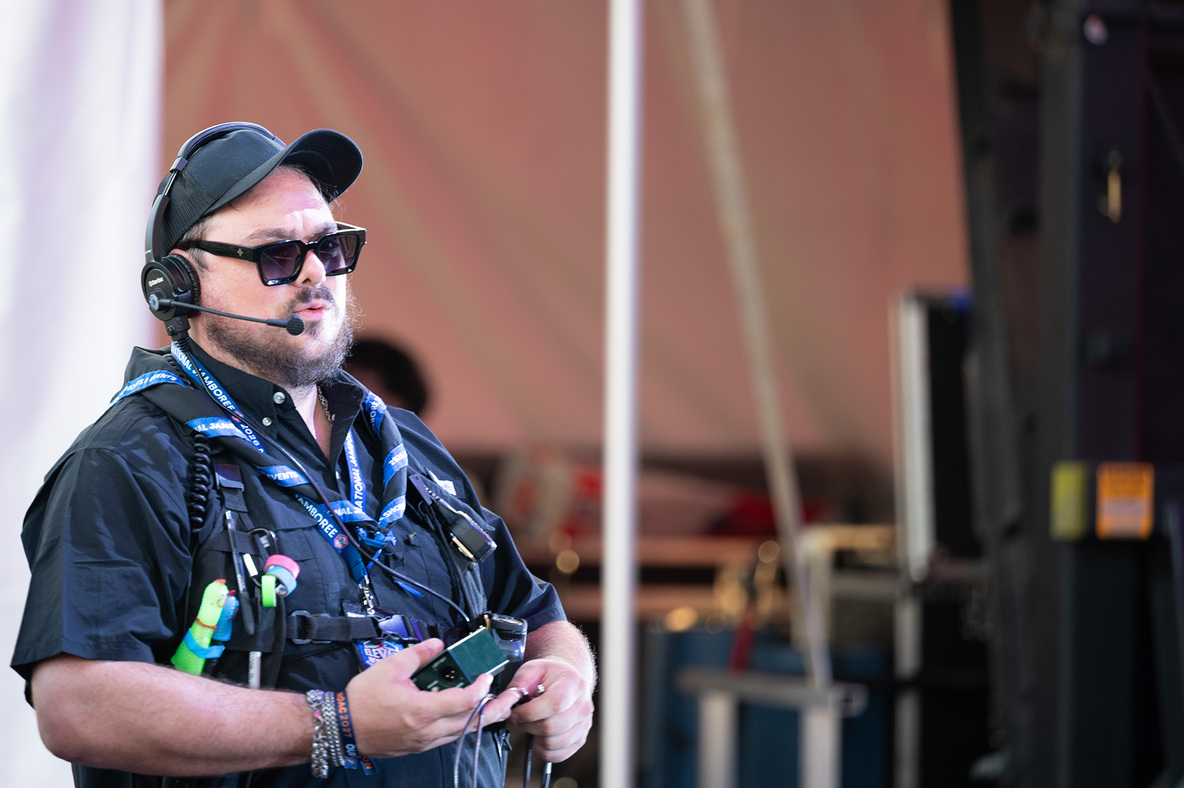
The show file only works if one person calls it. The show caller, or technical director on many shows, holds the file, calls the stand-bys, and gives the go's. Every department listens to that voice and moves on it.
That chain of command is the point. When three people give directions on the same channel, operators guess. When one person calls, they don't have to. The question to ask any production partner is simple: who calls the show, and when do they get named? The answer should be a name, early.
Built in the Advance, Not on the Day
A show caller who has been part of the advance knows the layout, the program, and the people. They've seen the stage plot, they know where every camera sits, and they know which segment is most likely to run long. The one who meets the plan on show day is learning it live.
That's why PM1 names the show caller early and builds the show file alongside the load-in schedule. The same plan that tells the crew when to arrive tells the operators what to run.
One File, Many Moving Parts
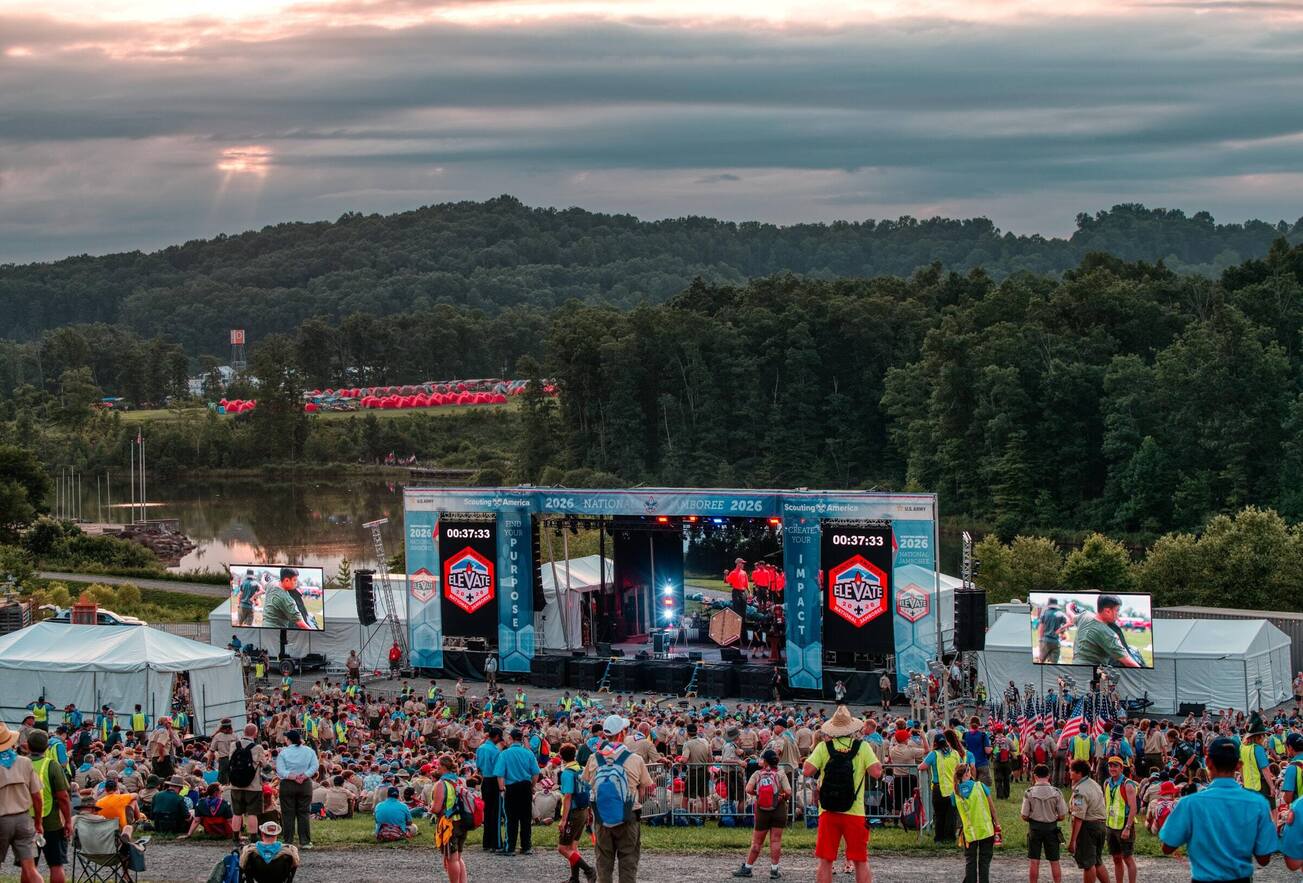
The bigger the show, the more one file matters. At the 2026 Scouting America National Jamboree, one PM1 infrastructure build carried musical productions, live entertainment, and speaker programs for 15,000 participants. The same team coordinated two drone shows and the fireworks, timed around armed forces parachute drops coordinated by Scouting America. Every one of those elements has its own timing, its own safety call, and its own crew. They only line up when they run from one plan, called by one voice.
When the Show Is Cued to Air
When there's a broadcast or a livestream, the show file has a second clock: the feed. Segments have to hit their marks for the broadcast director, and the room has to stay in step with what the camera is taking. The show caller works with the broadcast director so the call in the room and the call in the truck are the same call.
When the Schedule Moves
It will. The value of one show file is that it moves once. The producer makes the change, the show caller updates the file, and every department hears it on the same channel at the same time. A segment cut at 7:40 is gone from every cue list by 7:41.
Redundancy lives in the file too. Backup playback, a second mic, a hold plan for weather, and the order to restart in if power drops all get written down before doors, so nobody has to invent them during the show.