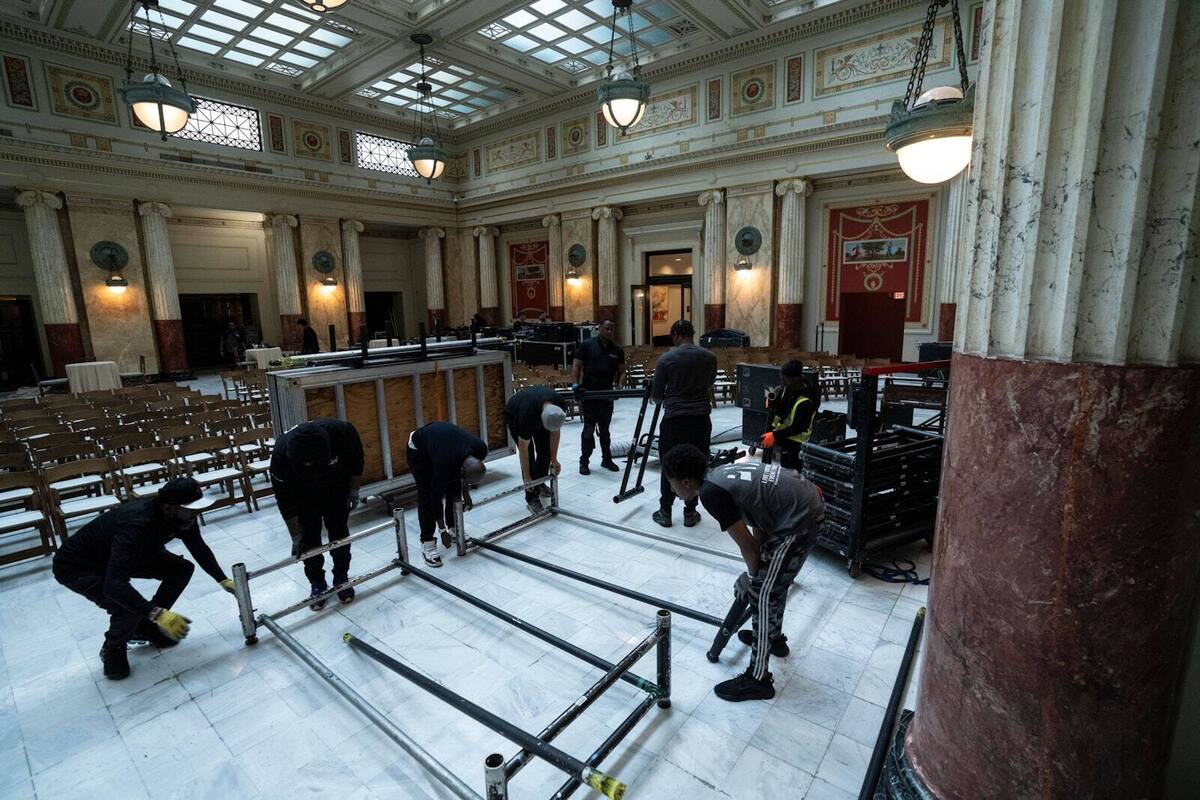
Most event production companies sound the same on the first call. They all have trucks, crews, and a portfolio. The difference shows up later: at load-in, when the ground is softer than the drawing assumed, or at 2 a.m., when the schedule moves and somebody has to own the fix. These twelve questions get that difference on the table before you sign.
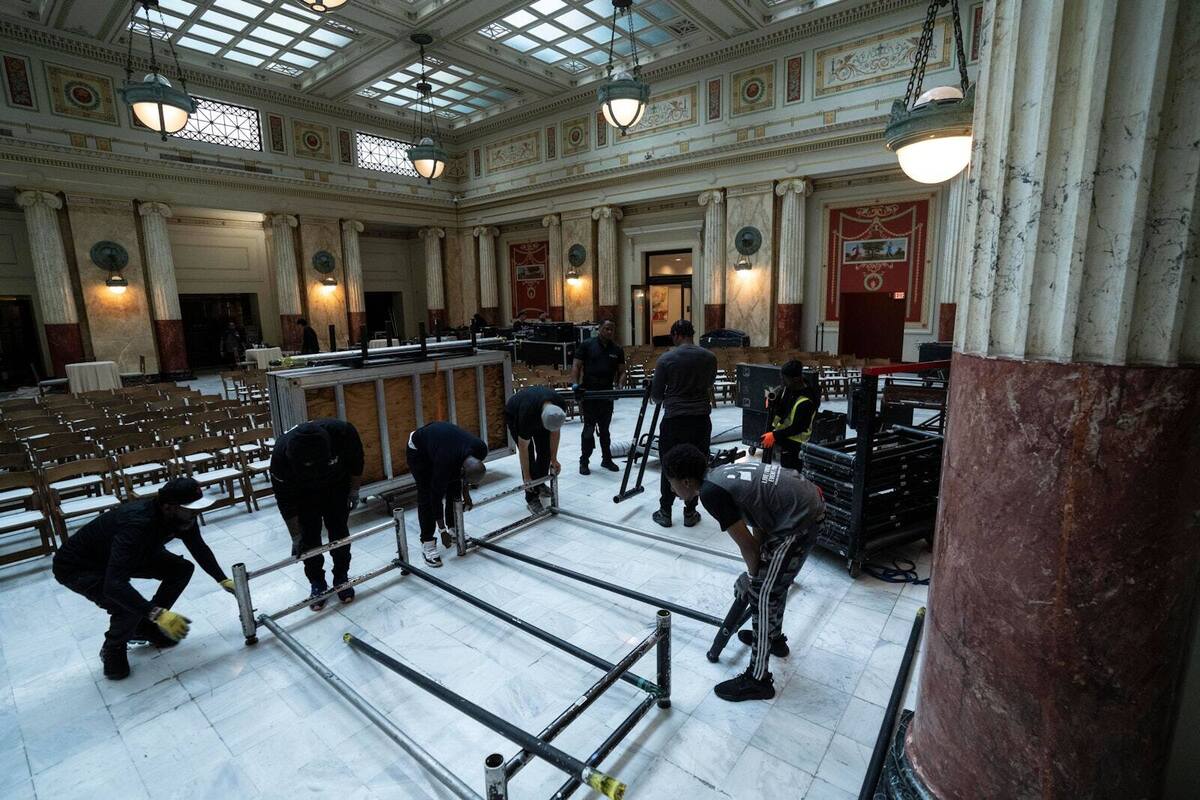
1. Who Owns the Layout?
Every event has a drawing. The question is whether it holds everything. Camera positions, cable paths, truck access, ADA routes, the crowd line, the stage, and the seating all affect each other. When they live on separate plans from separate companies, the conflicts surface on site, under pressure, and whoever arrived first wins.
What a good answer sounds like: one CAD layout, owned by one team, from the first site walk to load-out. Move a camera and everyone sees what moves with it.
2. Do They Start Under the Stage, or at the Edge of It?
Many production companies start at the edge of the stage: screens, speakers, a microphone. The stage, the seats, and the structure come from somewhere else, and the two halves meet for the first time at load-in.
Ask whether the company that designs the stage is talking to the company that hangs the lights. Better yet, ask whether it's the same team. At PM1 it is. Structures, staging, and seating sit under one production management layer with the audio, lighting, and video that run on top of them.
3. Who Stamps the Engineering, and Who Pulls the Permits?
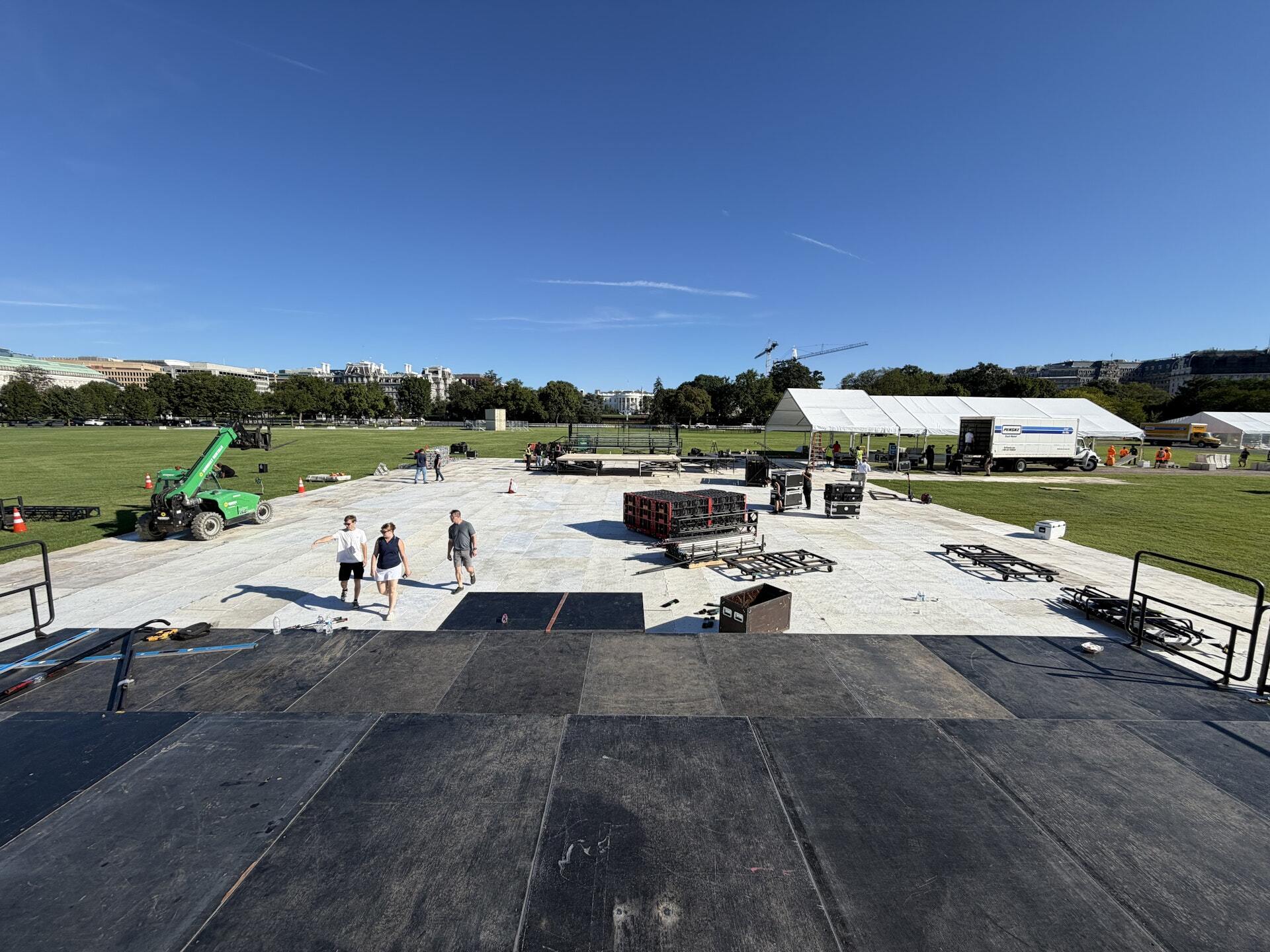
Ground conditions, wind, load, and egress decide what a site can safely hold. A stage on a grade, a grandstand on turf, or a roof in an open field each needs real engineering, and many jurisdictions need it stamped.
Ask who does the engineering, who stamps it where the job requires, and who coordinates permits with the venue, the city, or the agency that owns the land. "We'll figure it out on site" is not an answer.
4. Who Will Actually Be on Site?
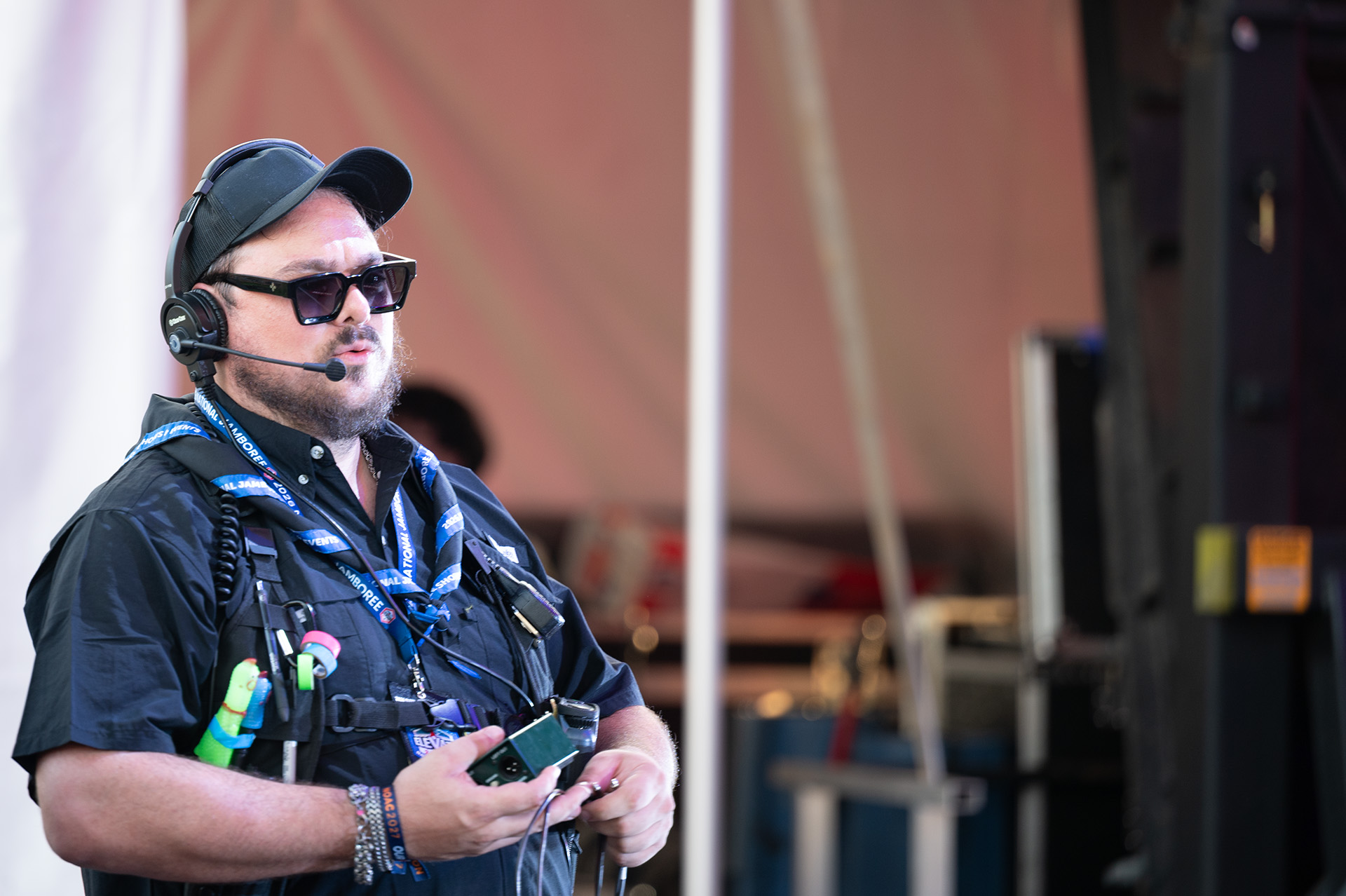
The team on the sales call is not always the team on the ground. Ask who the crew chief is, how much of the crew is the company's own, and how local crews are managed when the show travels.
Local crews aren't a problem. Unmanaged ones are. On multi-city work, PM1 runs local audio, video, and lighting crews under one plan, so every stop meets the same standard whether the gear is ours or theirs.
5. What's the Backup?
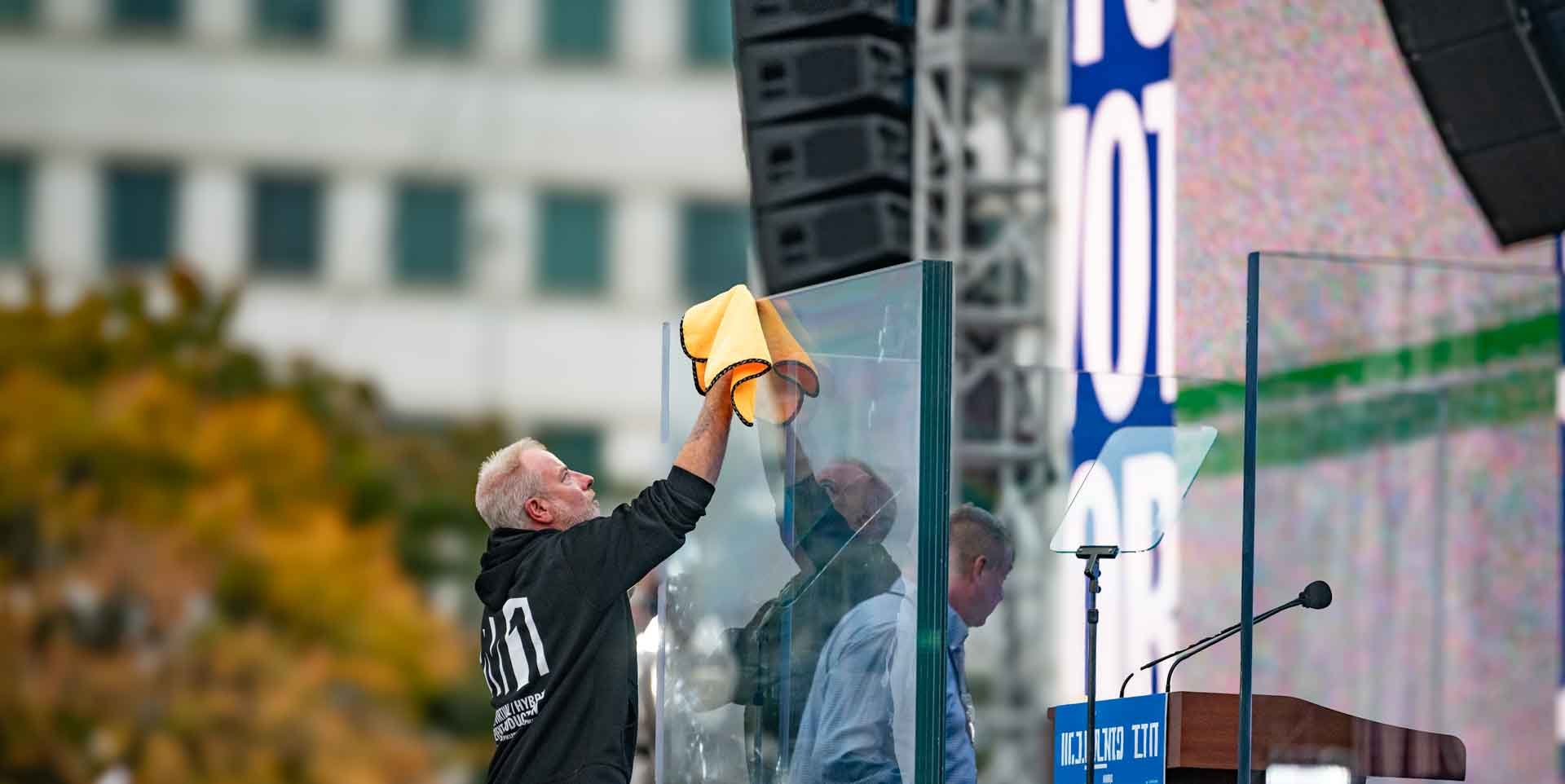
This is the question that separates a production company from an equipment drop-off. Ask what happens if a generator goes dark, a podium mic dies, or the livestream drops.
What a good answer sounds like: a second power source on standby for critical systems, a backup mic at the podium, spare paths for audio and video, a backup encode for the livestream, and spares on the truck. Nobody can promise nothing fails. A good partner can promise nobody notices.
6. Who Calls the Show?
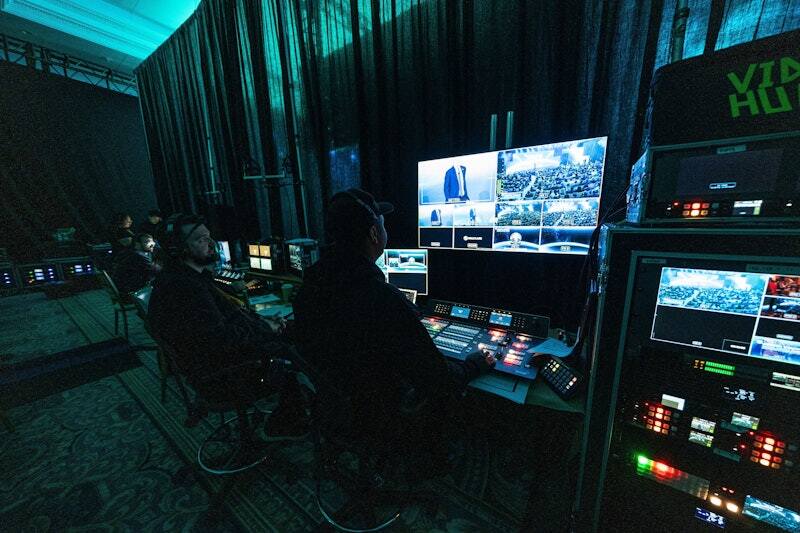
Someone has to run the cues, hold the stand-bys, and make the call when the schedule slips. Ask who that is and when they get named. The answer should be a name, early, not "we'll have someone."
The show caller who has been part of the advance knows the layout, the run of show, and the people. The one who meets the plan on show day is learning it live.
7. How Do They Design for the Camera?
If the event will be filmed, streamed, or covered by press, the feed is a second audience, and often the bigger one. Ask how the company designs for it.
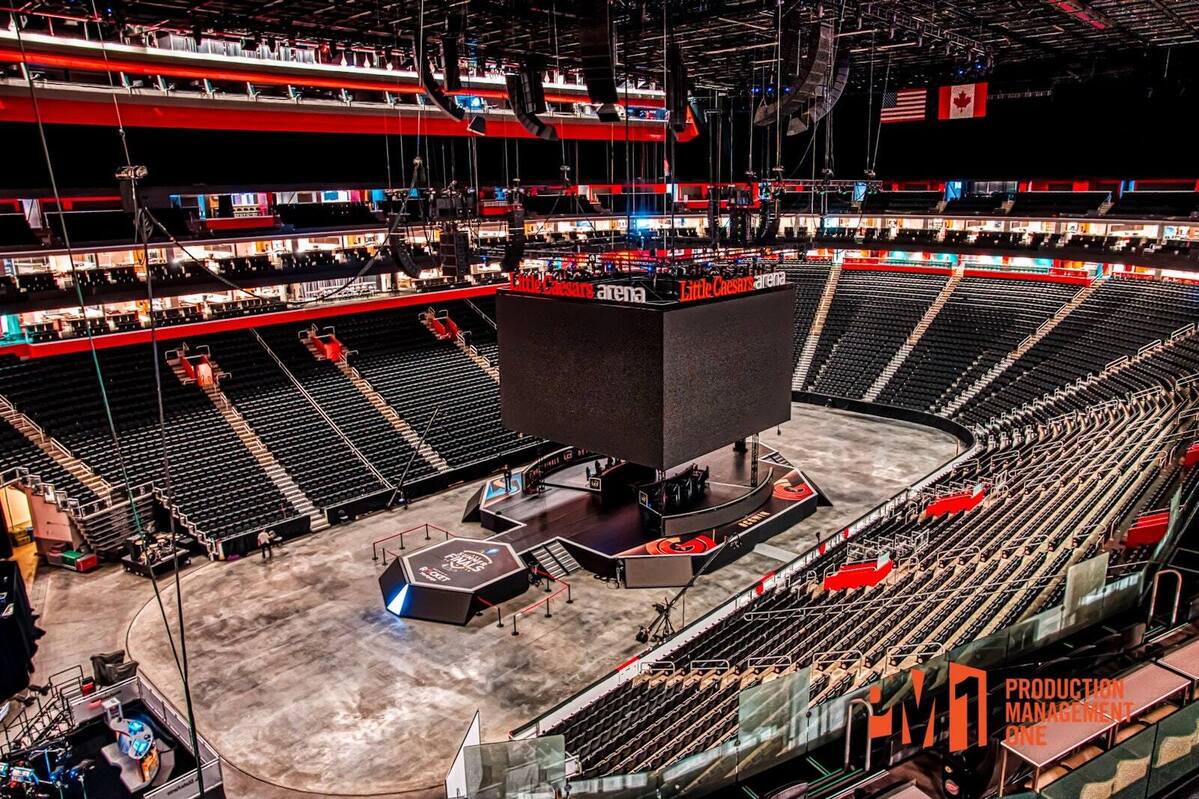
Look for camera positions drawn into the first layout, press risers placed for the shot rather than the leftover space, broadcast lighting (HMI where daylight calls for it), and a livestream plan with a backup path. A build designed only for the seat can look empty on screen.
8. What Happens When the Scope Changes?
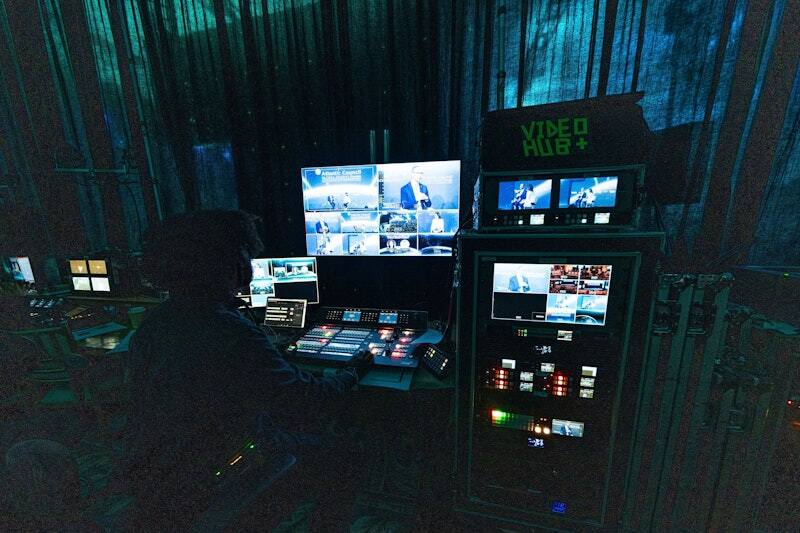
It will. The guest count grows, the site moves, a sponsor adds a riser, or the principal's team changes the backdrop. Ask how changes get made and who makes them.
What a good answer sounds like: revisions are part of the design process, not a problem. One call adjusts the whole plan, because the whole plan lives in one place.
9. How Fast Can They Turn?
Five days notice is generous. Seventy-two hours is common. Ask what the company has turned around on short notice and what it needed from the client to do it. A team that has done it before will ask you sharper questions in the first five minutes.
10. Can They Show You Builds Like Yours?
A portfolio of beautiful photos says less than one build with numbers. Ask for something close to your event, and ask for the specifics: capacity, footprint, crew size, and turnaround. Ask whether the company built it or someone else did.
PM1 has closed more than 7,000 jobs since 2018, with crews on the ground in 34 states last year. The portfolio shows what those builds look like.
11. How Do They Plan for Access?
ADA seating, ramps, lifts, and accessible routes aren't add-ons. They change the layout, the stage access, and the seating plan, and many jurisdictions check them before the event opens. Ask when access gets designed and who signs off on it.
What a good answer sounds like: ADA locations and routes in the first drawing, checked again against the final layout once the stage, barricade, and cable runs are in.
12. Who Is Your One Point of Contact?
An event production company should give you one person who knows every part of the plan and can answer for all of it. Ask who that is, how to reach them on show day, and who covers for them.
If every question gets routed to a different department, the coordination falls back on you. A production manager who holds the whole plan is the reason the client doesn't have to.
One More Thing to Listen For
Pay attention to what the company asks you. A partner worth hiring asks about the site, the audience, the camera, and the timeline before it talks about equipment. If the first thing you hear is a catalog and a price list, you're talking to someone who drops off gear.
PM1 doesn't work from a catalog. The show and the site set the spec, and the gear follows. Often PM1 drafts the spec itself, when a client knows the kind of show they want but not yet what it takes to build it.
Your Short List, at a Glance
| Ask | Listen for |
|---|---|
| Who owns the layout? | One CAD plan, one team, first site walk to load-out |
| Under the stage or at the edge? | Infrastructure and show under one team |
| Who stamps the engineering? | A named engineer and a permit plan |
| Who is on site? | A named crew chief and a plan for local crews |
| What's the backup? | Power, audio, video, and stream redundancy, plus spares |
| Who calls the show? | A name, early |
| How do they design for camera? | Camera positions in the first drawing |
| What happens when scope changes? | One call adjusts the whole plan |
| How fast can they turn? | Real examples on short notice |
| Builds like yours? | Numbers: capacity, footprint, crew, turnaround |
| How do they plan for access? | ADA in the first drawing, checked against the final layout |
| Who is your one point of contact? | A named production manager who holds the whole plan |